
How to Choose a Trustworthy Livestock Agent: Lessons from a Disputed Run
In the New Zealand agricultural sector, business has traditionally been done on a handshake. Trust is the absolute backbone of buying, selling, and managing livestock across NZ. But when communication breaks down or expectations aren't met, dealing with the wrong livestock agent can quickly turn a routine transaction into a stressful ordeal.
Recently, a local farming family shared a frustrating experience regarding their dealings with an independent agency, 2020 Livestock. According to the family, the run involved several significant pain points - including disputed pricing, confusion over authorisation documents, and serious concerns about the health of the calves upon delivery.
Note: This article reflects the family’s account of their experience. No findings have been made by any regulatory authority, and the agency involved disputes aspects of the family’s concerns.
While the family ultimately chose to walk away and move on, their experience highlights why every farmer and lifestyle blocker needs to understand the regulatory safeguards that govern how a livestock agent should operate in New Zealand.
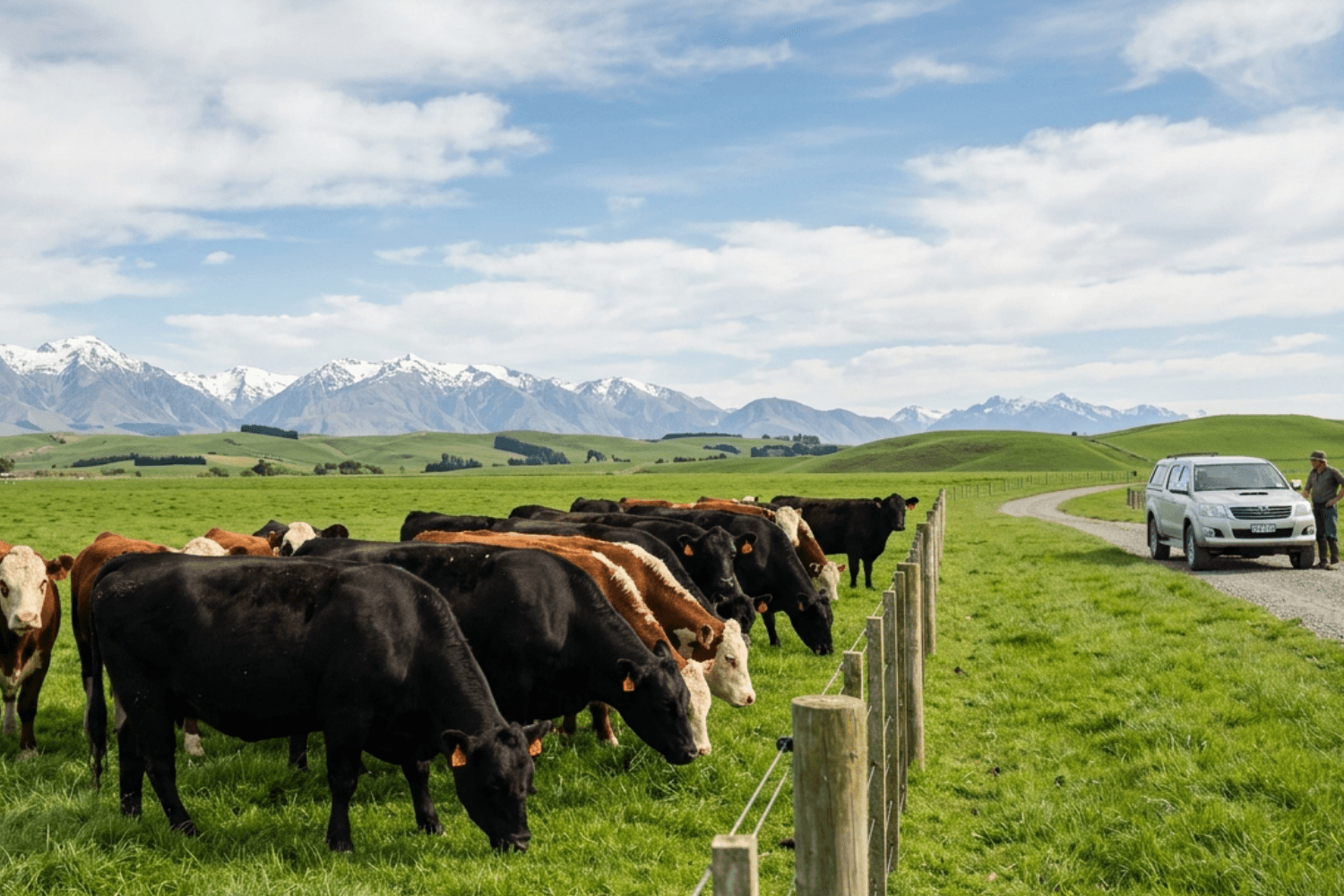
1. Animal Health & The Animal Status Declaration (ASD)
When a stock truck arrives, buyers expect the animals to match the description provided during negotiation. In the situation mentioned above, the family noted that the cattle truck driver immediately flagged the poor condition of the calves upon arrival. Over the following weeks, the calves failed to thrive, and a veterinary assessment later indicated signs consistent with prior, long-term malnutrition.
While the agency contested the claim and maintained the stock was healthy, this situation underscores a vital legal framework in the NZ livestock trading industry.
Misrepresentation and the Law
If livestock are misrepresented as healthy or fit for a specific purpose when they are not, that conduct may raise serious issues under the Fair Trading Act 1986, which prohibits misleading or deceptive conduct in trade.
The Safeguard: In almost all cases, moving cattle or other livestock in NZ requires a completed Animal Status Declaration (ASD) form, as required by the Ministry for Primary Industries (MPI). This is a legally binding declaration of the animals' history and health status.
The Action Step: If you have concerns about the condition of stock arriving on your property, document it immediately. Take photos, note the truck driver’s observations, and have a veterinarian assess the animals within 24 to 48 hours. A formal veterinary report is essential evidence if a dispute ever needs to be escalated to the Disputes Tribunal.
2. Understanding Authorisation & Agency
A common point of tension involves what a livestock agent can and cannot do on a farmer's behalf. In this case study, the farmers reported that they discovered a sale document had been signed at a price lower than what they had agreed to, leading them to step in and stop the stock from leaving the property.
Strictly speaking, a stock agent is an agent, not the principal owner of the property.
The General Rule: In most circumstances, an agent cannot legally bind you to a contract or sign documentation on your behalf unless you have clearly authorised them to do so *ideally in writing* for that specific transaction or price point.
If you believe an agent has exceeded their authority or locked in a deal below your clear reserve price, you generally have the right to halt the transaction immediately
3. Commissions vs. Direct Payouts
Transparency in financial transactions is critical when working with any livestock agent. In the instance involving 2020 Livestock, the family later dealt directly with a meat works and noticed a variation in the pricing structure.
While pricing differences can occur naturally, such as standard volume discounts that major commercial agencies sometimes secure compared to individual direct lines - it highlights the need for total clarity on fees.
| Potential Scenario | The Legal Landscape |
|---|---|
| Market Fluctuations | Payouts per kilogram can vary based on supply, volume, processing schedules, and whether an agent's corporate network influences the rate. |
| Fiduciary Obligations | Livestock agents owe a fiduciary duty to their clients, meaning they are legally required to act in your best financial interest. If an agent were to retain an undisclosed commission or item that wasn't transparently documented, it could represent a serious legal issue. |
The Best Practice: Every single deduction, including freight, yard fees, and the agent’s specific commission rate, should be clearly itemised on your final settlement note or kill sheet. If the figures are unclear, you have every right to request a full financial breakdown.
The Trustworthy Livestock Agent Checklist
To keep your transactions seamless and protect your bottom line, consider running through this checklist before engaging an independent livestock agent in New Zealand:
Verify Industry Memberships: Check if the agent or their firm belongs to the New Zealand Stock & Station Agents Association (NZSSA). Members are expected to adhere to a Code of Conduct that sets clear expectations around ethics, transparency, and dispute resolution.
Confirm Fees in Writing: Avoid relying on verbal agreements or a casual "I'll sort it out." Ensure the commission percentage or per-head rate is explicitly confirmed via email or text before any stock leaves your yards.
Establish Boundaries on Signatures: Clearly state that no sale notes or contracts are to be signed on your behalf without your explicit, written sign-off on the final price.
By keeping your paperwork tight and understanding the regulations supporting you, you can confidently navigate the market and ensure your farm is fully protected.
